Olive Oil Grades Explained
Olive oil grades from extra virgin to pomace, explained plainly: what separates each grade, what the labels mean, and how tasting and testing decide them.
Olive oil grades tell you how the oil was made and how good it is, and the gap between the top and bottom of the ladder is large. Extra virgin is the best grade: pure fruit oil, mechanically extracted, with no defects. Below it sit virgin, then refined oils sold as “pure” or “light”, and finally pomace oil scraped from the leftover paste. Knowing the ladder is the fastest way to stop overpaying for a refined oil dressed up as something better.
This is the hub for grades and tasting. Here is the ladder, top to bottom.
Extra virgin
The top grade. Made by mechanical means only, with no heat or solvents, from sound fruit. To qualify it must pass a chemistry test (free fatty acid at or below 0.8%, expressed as oleic acid, plus limits on peroxide value and other markers) and a taste test by a trained panel with zero sensory defects. This is the only grade that keeps the full flavour and the polyphenol antioxidants of the fruit. Full detail in what extra virgin olive oil is.
Virgin
Also mechanically extracted, but a step down. Virgin olive oil allows a higher free fatty acid level (up to about 2%) and tolerates minor sensory defects that would fail an extra virgin. It is less common on Australian shelves than extra virgin.
Refined, “pure” and “light”
When lower-grade oil is not good enough to sell as virgin, it is chemically refined: deodorised and neutralised to strip out faults, and usually blended with a little virgin oil for some flavour and colour. These are sold as “olive oil”, “pure” or “light”. “Light” refers to lighter flavour and colour, not fewer kilojoules; every olive oil has similar energy. See what “light” olive oil actually means and the full comparison in extra virgin vs virgin vs refined.
Pomace oil
The bottom of the ladder. Olive-pomace oil is extracted with solvents from the paste left after the good oil is pressed out, then refined. It is a cheap cooking oil, not a fruit juice, and it carries little of what makes olive oil worth buying.
How grades are decided
Two things sort the grades: chemistry and taste.
- Chemistry: free fatty acid and peroxide value measure freshness and how the fruit was handled. Lower is better and fresher.
- Sensory: a trained panel tastes for positive attributes (fruity, bitter, pungent) and for defects such as fusty, musty, winey and rancid. A single defect can drop an oil out of extra virgin.
In Australia the standard AS 5264 and the Australian Olive Association’s certification apply exactly these tests. That is why certified oil is a reliable signal of grade.
Why it matters at the shelf
The word on the front of the bottle is a grade claim, and grades are not interchangeable. Paying extra virgin money for something the label only calls “olive oil” or “pure” means buying a refined product. If you learn to read the label and taste for yourself, the grade stops being a marketing word and becomes something you can check.
For where these oils come from and how the best of them are made, see how olive oil is made and the guide to choosing a good bottle.
Explore Grades
Extra Virgin vs Virgin vs Refined Olive Oil
The full olive oil grade ladder explained plainly: extraction method, free fatty acid limits, sensory defects, where pomace and light sit, and what to buy.
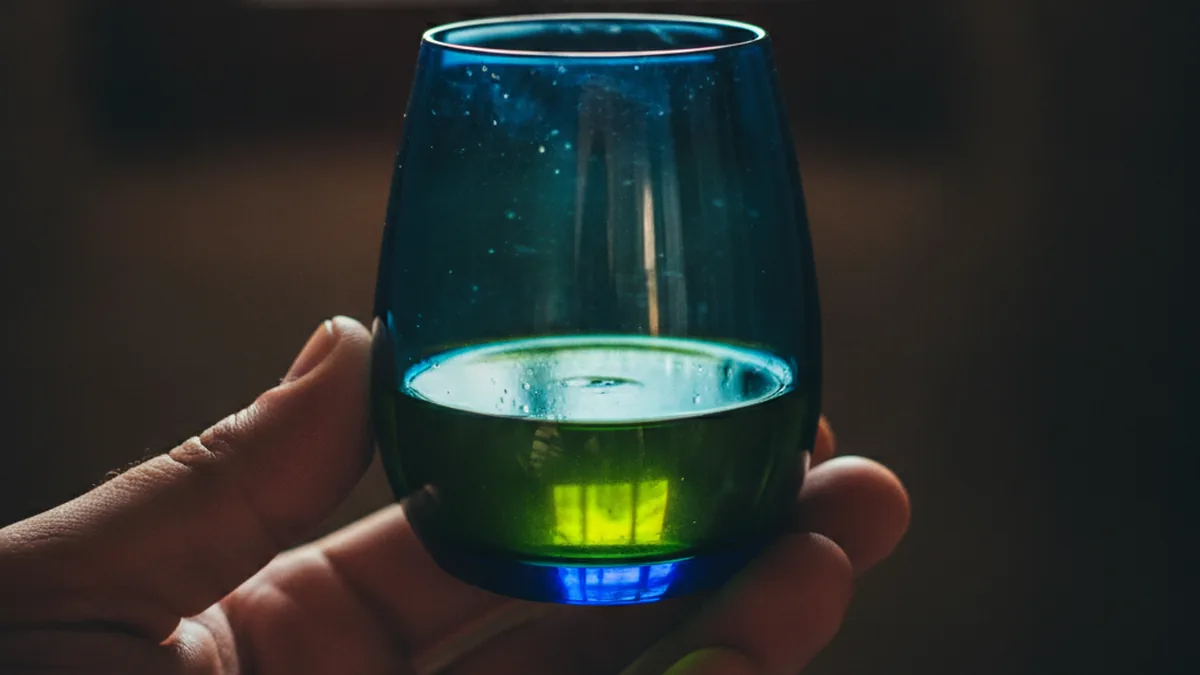
How to Taste Olive Oil Like a Judge
The professional olive oil tasting method: warm the glass, cover and swirl, smell, slurp with air, then rate fruity, bitter and pungent and spot defects.
How to Tell If Olive Oil Has Gone Off
How to tell if olive oil is rancid or defective: what rancid, fusty, musty and winey smell like, what causes them, and when to bin the bottle for good.
What 'Light' Olive Oil Actually Means
Light olive oil means a lighter flavour and colour from refining, not fewer Calories. Here is why the label confuses people and when to reach for extra virgin.